
TMJ Dysfunction Treatment in Abbotsford: Causes, Symptoms, and Treatment Options
Jaw pain that won’t go away, a clicking sound every time you chew, or morning headaches that seem to come from nowhere – these are often the first clues that something is wrong with your temporomandibular joint. If you’ve been searching for answers, understanding TMJ dysfunction is the first step toward lasting relief. This guide walks through what TMJ disorder is, why it happens, how to recognize it, and what treatment in Abbotsford typically looks like.
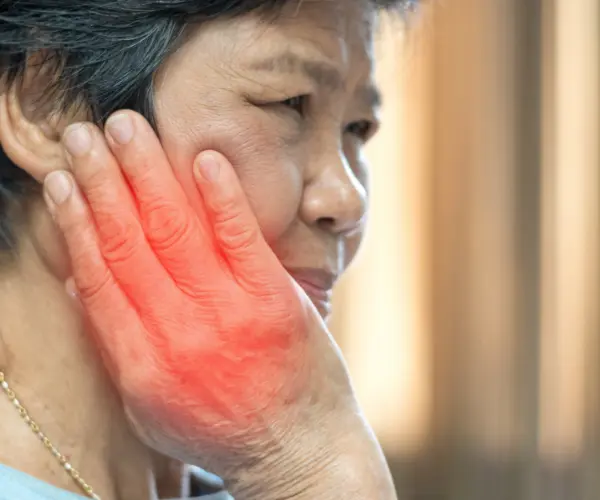
What Is TMJ Dysfunction Disorder?
The temporomandibular joint (TMJ) is the hinge that connects your jawbone to your skull, sitting just in front of each ear. It allows you to talk, chew, yawn, and move your jaw side to side. TMJ dysfunction – often called TMD – refers to any problem affecting this joint, the surrounding muscles, or the disc of cartilage that cushions the joint during movement.
Because the TMJ is one of the most frequently used joints in the body, even minor irregularities in its function can lead to persistent discomfort. TMD isn’t a single condition but rather an umbrella term covering a range of issues involving the jaw joint, chewing muscles, and connective tissue. Left unaddressed, it can interfere with everyday activities like eating, speaking, and even sleeping comfortably.
Because the TMJ is one of the most frequently used joints in the body, even minor irregularities in its function can lead to persistent discomfort. TMD isn’t a single condition but rather an umbrella term covering a range of issues involving the jaw joint, chewing muscles, and connective tissue. Left unaddressed, it can interfere with everyday activities like eating, speaking, and even sleeping comfortably.
Causes of TMJ Dysfunction Disorder
TMJ dysfunction rarely has one single cause. More often, it develops from a combination of physical, behavioral, and structural factors that place extra strain on the jaw joint over time.
01
Jaw Injury or Trauma
A direct blow to the jaw, face, or head - from a fall, sports impact, or car accident - can damage the joint, dislocate the disc, or fracture surrounding bone. Even trauma that seems minor at the time can lead to long-term joint instability if the ligaments or cartilage are affected.
02
Teeth Grinding and Clenching (Bruxism)
Chronic grinding or clenching, especially during sleep, places continuous pressure on the jaw joint and surrounding muscles. Over months and years, this repetitive strain can wear down cartilage, tighten muscles, and trigger inflammation within the joint capsule.
03
Arthritis Affecting the Jaw Joint
Both osteoarthritis and rheumatoid arthritis can affect the TMJ just as they affect other joints in the body. Arthritic changes can erode cartilage, alter joint alignment, and cause stiffness, swelling, and reduced range of motion in the jaw.
04
Misaligned Bite or Jaw Structure
When the upper and lower teeth don't meet properly, the jaw muscles and joint must compensate to accommodate the imbalance. This uneven distribution of force can gradually stress the joint, leading to structural wear and functional problems.

Signs You Shouldn't Ignore
TMD symptoms vary widely from person to person, and they can range from mild and occasional to persistent and disruptive.
- Jaw Pain and Tenderness A dull ache or sharp pain around the jaw joint, particularly noticeable when chewing, yawning, or opening the mouth wide, is one of the most common indicators of TMJ dysfunction. Tenderness to the touch near the ear is also frequently reported.
- Clicking, Popping, or Grating Sounds Many people with TMD notice audible sounds when moving the jaw — a click when opening the mouth, a pop during chewing, or a grating sensation that suggests cartilage wear. These sounds often signal that the disc within the joint isn't moving smoothly.
- Difficulty or Discomfort While Chewing Eating can become uncomfortable or even painful, particularly with tougher foods that require more jaw movement. Some people unconsciously shift to chewing on one side to avoid discomfort, which can worsen joint imbalance over time.
- Headaches, Earaches, and Facial Pain Because the TMJ sits close to the ear and shares nerve pathways with surrounding facial structures, dysfunction here frequently radiates outward. Tension-type headaches, ear fullness or ringing, and general facial soreness are common secondary symptoms.
- Locked Jaw or Limited Jaw Movement In more advanced cases, the jaw may temporarily lock in an open or closed position, or movement may feel restricted and stiff. This happens when the disc slips out of its normal position or when muscle spasms prevent smooth joint motion.
Types of TMJ Disorders
TMJ dysfunction generally falls into three broad categories, which often overlap:
- Myofascial pain disorders: involving discomfort or spasm in the muscles that control jaw movement, chewing, and neck and shoulder function.
- Internal derangement of the joint: involving a displaced disc, a dislocated jaw, or injury to the condyle (the rounded end of the jawbone).
- Degenerative joint disease: including osteoarthritis or rheumatoid arthritis affecting the jaw joint itself.
A person may experience one type in isolation or a combination of all three, which is why an accurate diagnosis is essential before starting treatment.


How Is TMJ Dysfunction Diagnosed?
Diagnosing TMD typically begins with a detailed review of your symptoms, medical history, and any recent jaw injuries or habits like teeth grinding. A clinical examination usually follows, checking for:
- Tenderness around the jaw muscles and joint
- Clicking, popping, or grinding sounds during movement
- Range of motion when opening and closing the mouth
- Bite alignment and jaw positioning
In many cases, imaging such as X-rays, CT scans, or MRI may be recommended to get a clearer picture of the joint’s bone structure, disc position, and any signs of degeneration. This combination of clinical assessment and imaging helps determine whether the issue stems from muscle tension, structural joint damage, or a combination of both – which in turn shapes the most appropriate treatment plan.
FAQ's
Is TMJ dysfunction a permanent condition?
Not necessarily. Many cases improve significantly with conservative treatments such as physical therapy, night guards, or lifestyle adjustments. More structural cases may require ongoing management or, in rare instances, surgical intervention.
Can TMJ disorder go away on its own?
Mild cases triggered by temporary stress or muscle tension can sometimes resolve without formal treatment. However, persistent or worsening symptoms usually benefit from professional evaluation to prevent long-term joint damage.
What happens if TMJ dysfunction is left untreated?
Untreated TMD can lead to chronic pain, worsening joint damage, changes in bite alignment, and increased frequency of headaches or locked jaw episodes.
Does stress really affect the jaw joint?
Yes. Stress is one of the most common contributors to jaw clenching and muscle tension, both of which place extra strain on the TMJ over time.
When should I see a specialist for jaw pain?
If jaw pain, clicking, or limited movement persists for more than a couple of weeks, or if you experience locking of the jaw, it’s worth having the joint properly evaluated rather than waiting for symptoms to worsen.
Don't Wait Out the Pain - Talk to a TMJ Specialist Now
Jaw discomfort, clicking, or headaches shouldn’t be ignored. Connect with a trusted TMJ specialist in Abbotsford and take the first step toward a pain-free jaw today.